"Kitab" sözü 5 hərfdən ibarət olduğu üçün yaddaşda 5 bayt (40 bit) yer tutur. Daha Böyük Ölçü Vahidləri

Daha mürəkkəb sistemlərdə (məsələn, Unicode) bir simvol 2 bayt (16 bit) və ya daha çox yer tuta bilər.

Birbaşa cavab: . Bu, müasir hesablama texnikasında qəbul edilmiş standartdır. Bit və Bayt: Fərqlər Nədir?

Bu iki anlayışı daha yaxşı başa düşmək üçün onların fərdi funksiyalarına nəzər salaq:

İnformasiyanın ən kiçik, bölünməz vahididir. O, yalnız iki vəziyyətdən birində ola bilər: 0 və ya 1 . Bunu lampanın sönülü (0) və ya yanılı (1) olması ilə müqayisə etmək olar.

Tarixən kompüterlər müxtəlif sayda bitlərdən (məsələn, 4, 6 və ya 7 bit) ibarət qruplardan istifadə ediblər. Lakin 1960-cı illərdə arxitekturası ilə 8 bitlik bayt standart halına gəldi. Bunun əsas səbəbi 8 bitin bütün latın əlifbasını, rəqəmləri və xüsusi işarələri (ASCII cədvəli) tam əhatə edə biləcək qədər böyük olması idi. Real Həyatdan Nümunələr

Kompüterdə hər hansı bir məlumatın nə qədər yer tutduğunu anlamaq üçün bu nümunələrə baxaq:

Standart ASCII kodlaşdırmasında hər bir hərf, rəqəm və ya boşluq yaddaşda 1 bayt (8 bit) yer tutur.

Baytlar birləşərək daha böyük informasiya vahidlərini yaradırlar: = 1024 Bayt 1 Meqabayt (MB) = 1024 Kilobayt 1 Qiqabayt (GB) = 1024 Meqabayt 1 Terabayt (TB) = 1024 Qiqabayt What are Bits and Bytes? - W3Schools

8 bitin bir araya gəlməsi ilə yaranan daha böyük bir vahiddir. Əgər bit bir hərfdirsə, bayt bir söz kimidir. Bir bayt vasitəsilə kompüter 256 fərqli simvolu (2^8 kombinasiya) kodlaşdıra bilir. Niyə Məhz 8 Bit?

A world of geom

ggplot2 builds charts through layers using geom_ functions. Here is a list of the different available geoms. Click one to see an example using it.

geom_bar geom_bin geom_boxplot geom_density geom_error geom_hex geom_hist geom_hline geom_jitter geom_label geom_line geom_point geom_polygon geom_rect geom_ribbon geom_rug geom_segment geom_smooth geom_text geom_tile geom_violin geom_vline
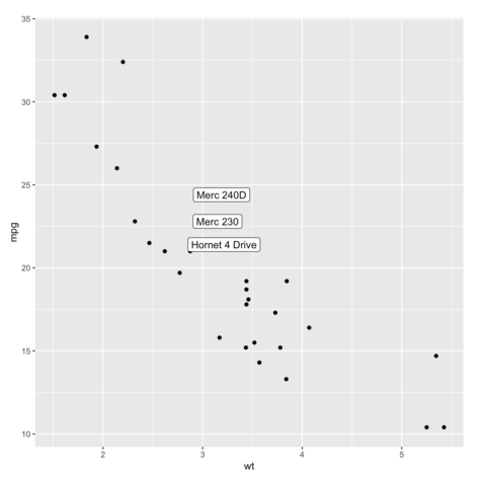
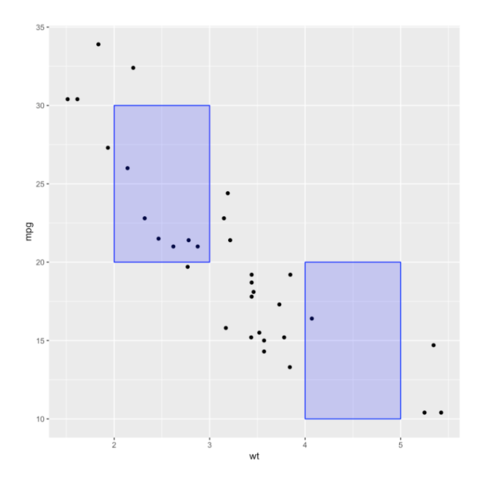
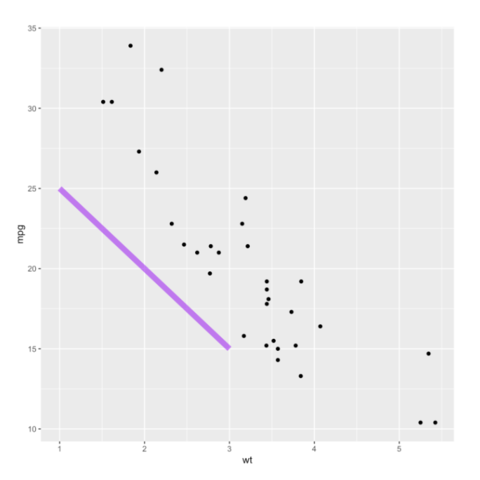
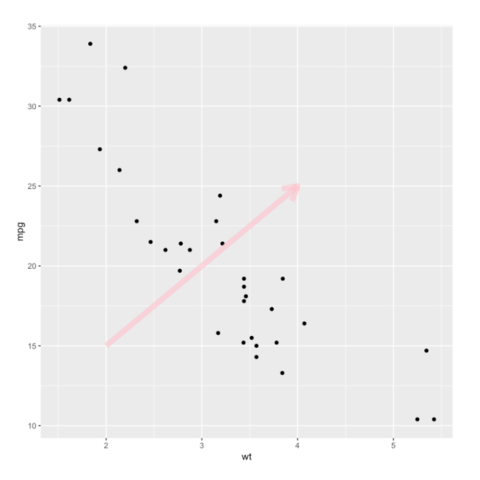
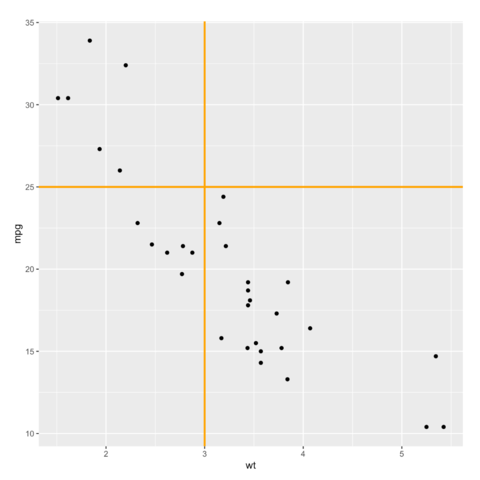
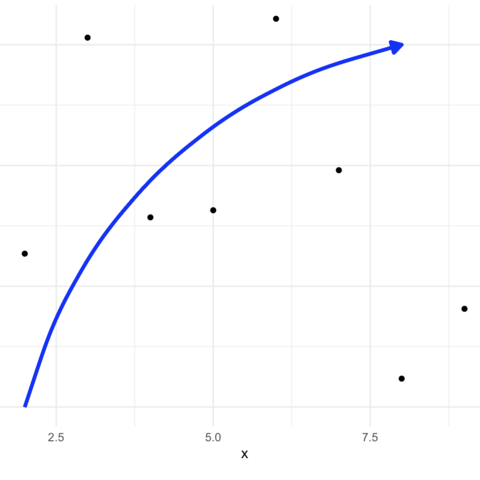
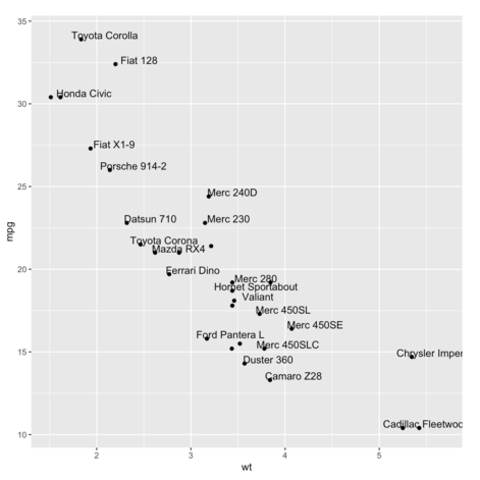
Annotation with ggplot2

Annotation is a key step in data visualization. It allows to highlight the main message of the chart, turning a messy figure in an insightful medium. ggplot2 offers many function for this purpose, allowing to add all sorts of text and shapes.


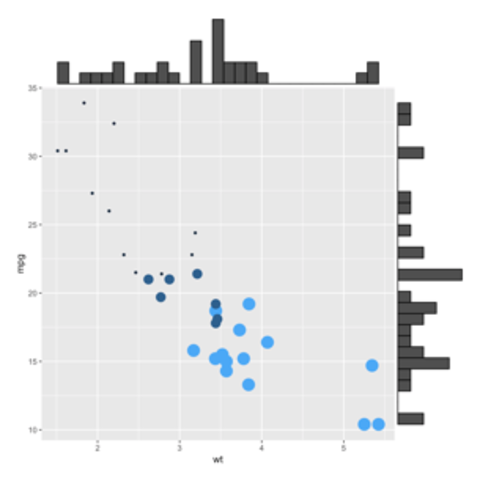
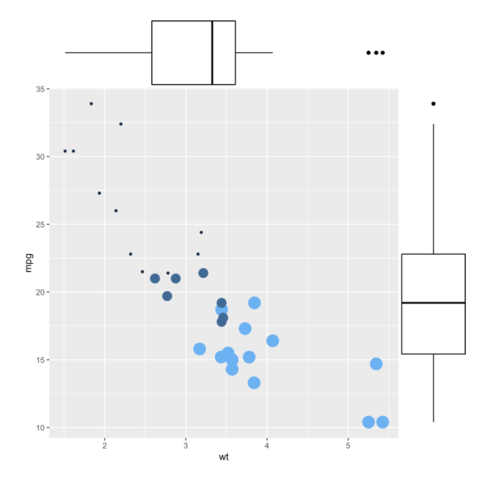
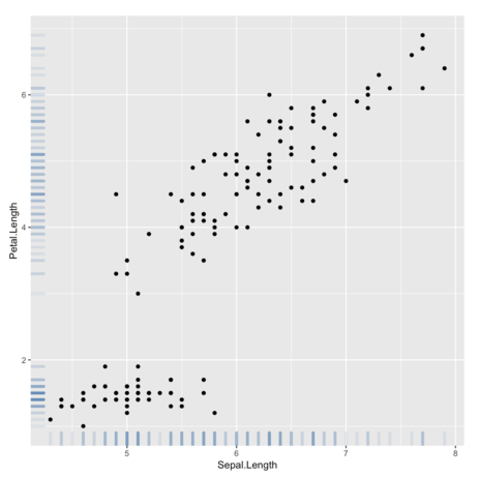
Marginal plot

Marginal plots are not natively supported by ggplot2, but their realisation is straightforward thanks to the ggExtra library as illustrated in graph #277.


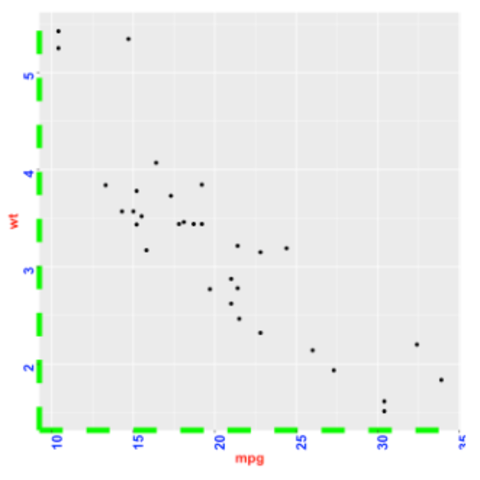
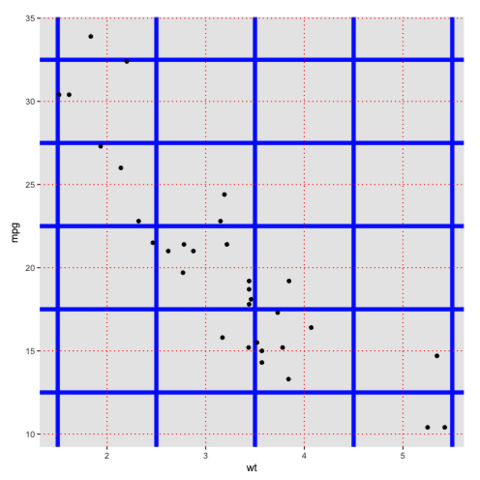
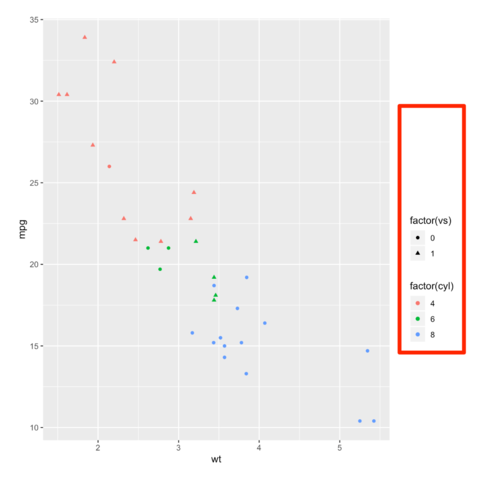
ggplot2 chart appearance

The theme() function of ggplot2 allows to customize the chart appearance. It controls 3 main types of components:

Re-ordering with ggplot2


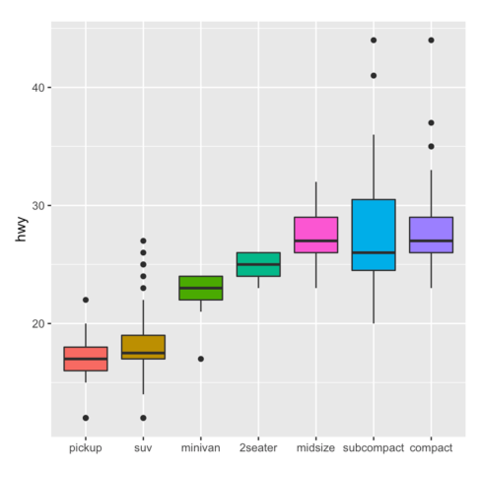
When working with categorical variables (= factors), a common struggle is to manage the order of entities on the plot.

Post #267 is dedicated to reordering. It describes 3 different way to arrange groups in a ggplot2 chart:


Read post
Tidyverse

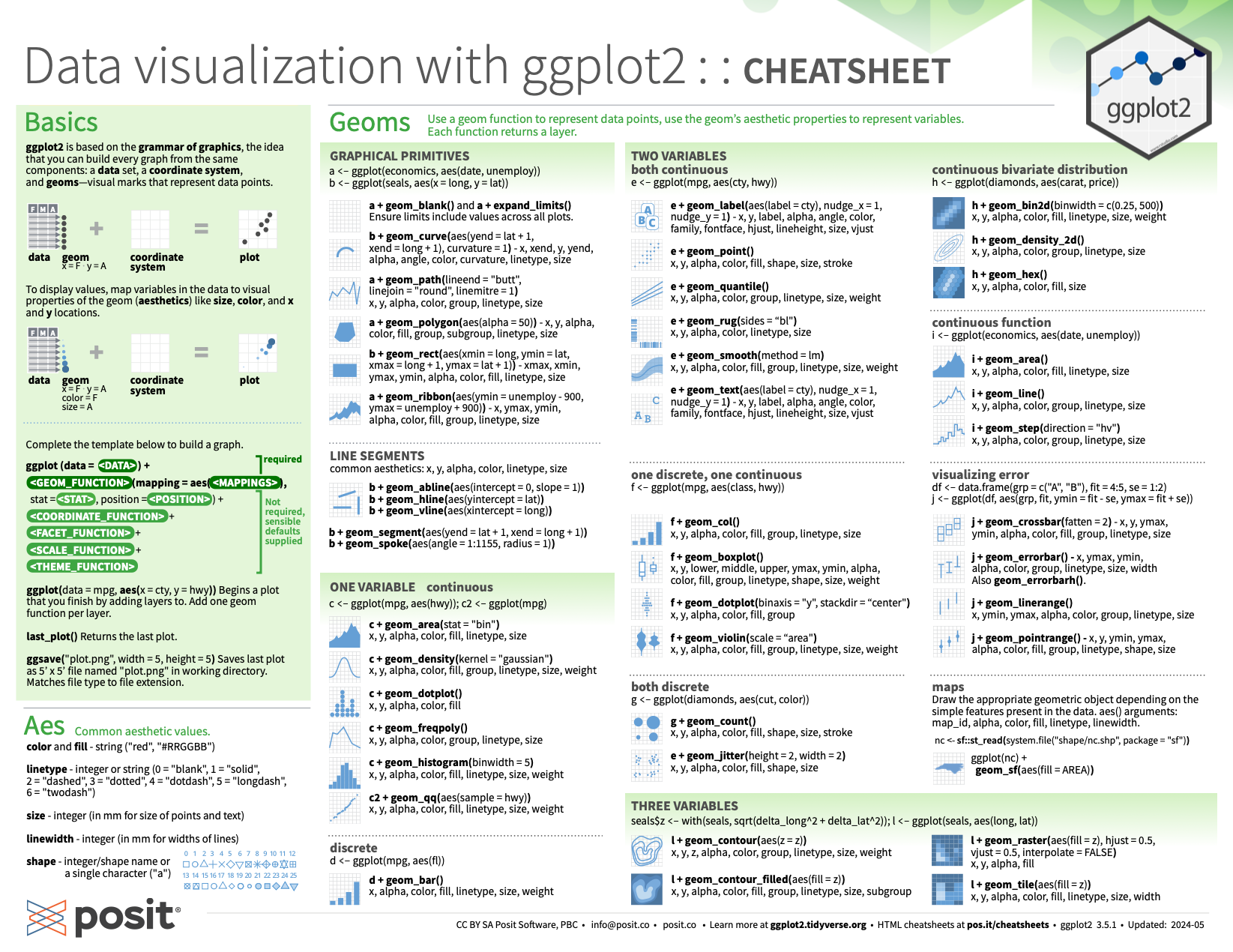
Here’s the official ggplot2 cheatsheet created by Posit. It covers all the key concepts of the library.

I've also compiled it with the most useful R and data visualization cheatsheets into a single PDF you can download:

ggplot2 title

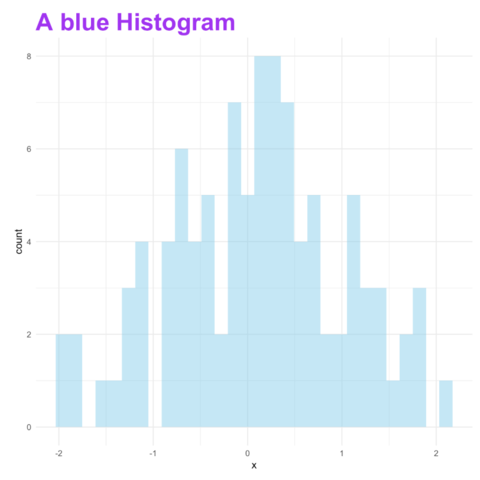
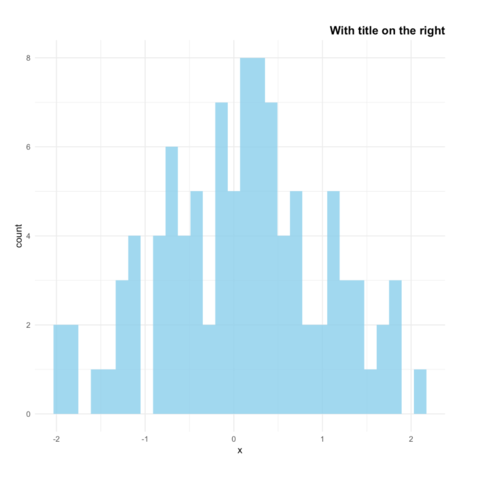
The ggtitle() function allows to add a title to the chart. The following post will guide you through its usage, showing how to control title main features: position, font, color, text and more.


Use custom fonts with ggplot2

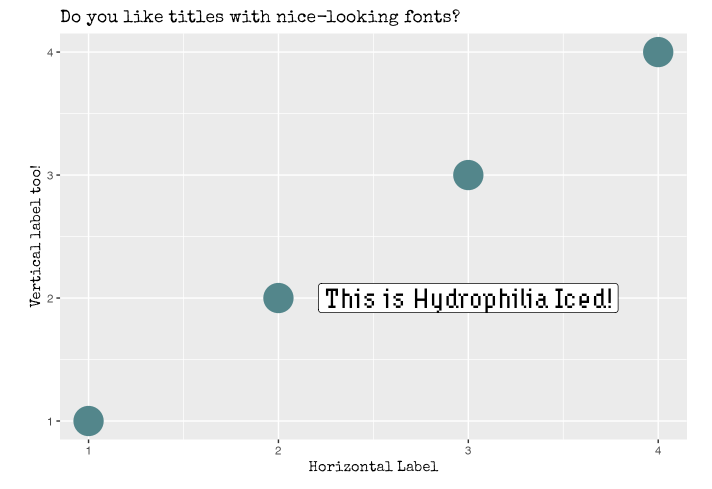
If you don't want your plot to look like any others, you'll definitely be interested in using custom fonts for your title and labels! This is totally possible thanks to 2 main packages: ragg and showtext. The blog-post below should help you using any font in minutes.


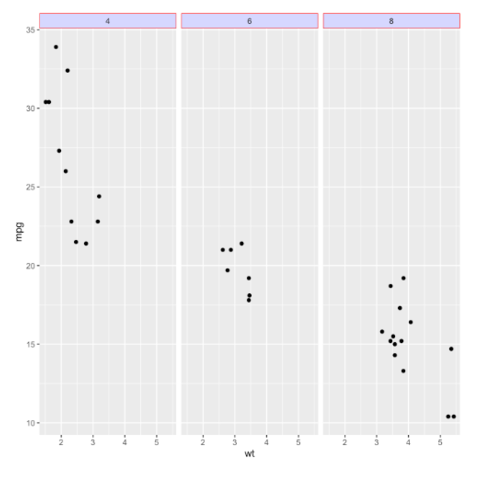
Small multiples: facet_wrap() and facet_grid()

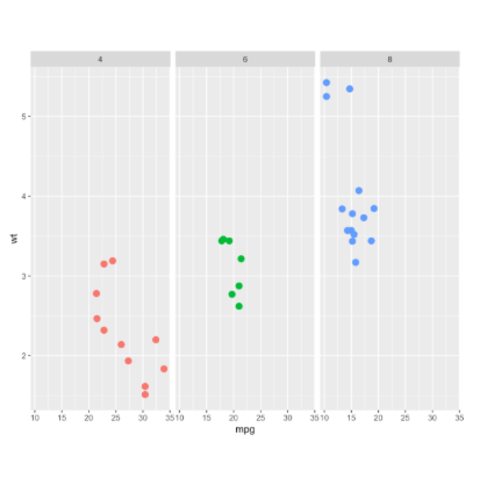
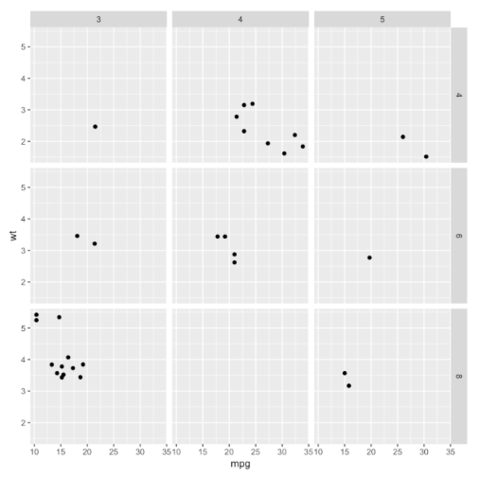
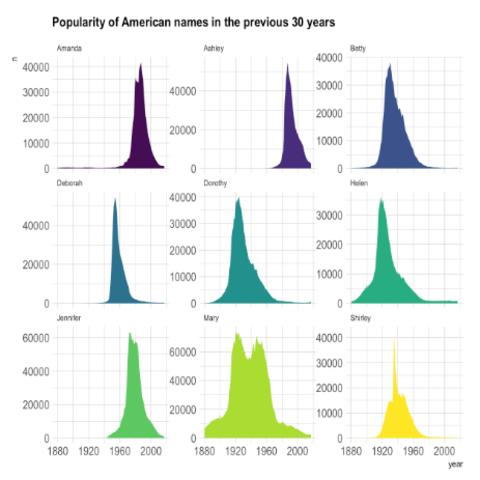
Small multiples is a very powerful dataviz technique. It split the chart window in many small similar charts: each represents a specific group of a categorical variable. The following post describes the main use cases using facet_wrap() and facet_grid() and should get you started quickly.

A set of pre-built themes

It is possible to customize any part of a ggplot2 chart thanks to the theme() function. Fortunately, heaps of pre-built themes are available, allowing to get a good style with one more line of code only. Here is a glimpse of the available themes. See code

1 Bayt Nece Bitdir «PC»

"Kitab" sözü 5 hərfdən ibarət olduğu üçün yaddaşda 5 bayt (40 bit) yer tutur. Daha Böyük Ölçü Vahidləri

Daha mürəkkəb sistemlərdə (məsələn, Unicode) bir simvol 2 bayt (16 bit) və ya daha çox yer tuta bilər.

Birbaşa cavab: . Bu, müasir hesablama texnikasında qəbul edilmiş standartdır. Bit və Bayt: Fərqlər Nədir?

Bu iki anlayışı daha yaxşı başa düşmək üçün onların fərdi funksiyalarına nəzər salaq:

İnformasiyanın ən kiçik, bölünməz vahididir. O, yalnız iki vəziyyətdən birində ola bilər: 0 və ya 1 . Bunu lampanın sönülü (0) və ya yanılı (1) olması ilə müqayisə etmək olar.

Tarixən kompüterlər müxtəlif sayda bitlərdən (məsələn, 4, 6 və ya 7 bit) ibarət qruplardan istifadə ediblər. Lakin 1960-cı illərdə arxitekturası ilə 8 bitlik bayt standart halına gəldi. Bunun əsas səbəbi 8 bitin bütün latın əlifbasını, rəqəmləri və xüsusi işarələri (ASCII cədvəli) tam əhatə edə biləcək qədər böyük olması idi. Real Həyatdan Nümunələr

Kompüterdə hər hansı bir məlumatın nə qədər yer tutduğunu anlamaq üçün bu nümunələrə baxaq:

Standart ASCII kodlaşdırmasında hər bir hərf, rəqəm və ya boşluq yaddaşda 1 bayt (8 bit) yer tutur.

Baytlar birləşərək daha böyük informasiya vahidlərini yaradırlar: = 1024 Bayt 1 Meqabayt (MB) = 1024 Kilobayt 1 Qiqabayt (GB) = 1024 Meqabayt 1 Terabayt (TB) = 1024 Qiqabayt What are Bits and Bytes? - W3Schools

8 bitin bir araya gəlməsi ilə yaranan daha böyük bir vahiddir. Əgər bit bir hərfdirsə, bayt bir söz kimidir. Bir bayt vasitəsilə kompüter 256 fərqli simvolu (2^8 kombinasiya) kodlaşdıra bilir. Niyə Məhz 8 Bit?

Related chart types


1 bayt nece bitdir
Ggplot2
1 bayt nece bitdir
Animation
1 bayt nece bitdir
Interactivity
1 bayt nece bitdir
3D
1 bayt nece bitdir
Caveats
1 bayt nece bitdir
Data art